

Cost to Remove Load Bearing Wall: Comprehensive Guide
Introduction to Load-Bearing Walls
If you’re wondering about the cost to remove load bearing wall, this guide will walk you through everything you need to know. This guide is designed for homeowners considering major renovations and seeking to understand the costs, process, and safety considerations involved in removing a load-bearing wall. Understanding the cost to remove a load bearing wall is crucial for anyone planning to open up their living space, improve home flow, or increase property value.
A load-bearing wall is a fundamental part of your home’s structure, responsible for supporting the weight of the roof, upper floors, and other critical components. Unlike non-structural interior walls, a bearing wall helps distribute loads down to the foundation, ensuring your home remains safe and stable. Removing a load-bearing wall is a significant undertaking that requires careful planning and the installation of a support beam to maintain structural integrity. The cost to remove a load-bearing wall can vary widely, typically ranging from $2,000 to $20,000 or more, depending on the wall’s size, location, and the complexity of the project. Because a load-bearing wall plays such a vital role in supporting upper floors and the overall structure, it’s essential to approach removal with the guidance of experienced professionals.
Next, we’ll provide a detailed breakdown of the financial aspects involved in removing a load-bearing wall, so you can plan your renovation with confidence.
Cost Analysis for Load-Bearing Wall Removal
Quick Cost Summary
The average cost to remove a load-bearing wall is between $5,700 and $6,760.
The cost can range from $2,000 to $20,000 or more, depending on wall size and complexity.
Removing a load-bearing wall in a single-story home typically costs between $1,200 and $3,000, while in a multi-story home it can range from $3,200 to $10,000.
Detailed Breakdown
Understanding the Financial Aspects of Wall Removals
Embarking on a load-bearing wall removal project involves more than just the physical transformation of your space; it also requires careful financial planning. The total cost of removing a load-bearing wall depends on factors such as wall size, material, permits, and any additional services required. This section delves into the various cost factors associated with such projects, aiming to provide you with a comprehensive understanding of the budgeting necessary for this type of structural change.
Cost Overview:
Average cost to remove load-bearing wall: $5,700 – $6,760
Overall cost range: $2,000 – $20,000+
Single-story home: $1,200 – $3,000
Multi-story home: $3,200 – $10,000
The average price for removing a load-bearing wall is typically between $5,700 and $6,760, while the cost to replace a load-bearing wall with a beam usually ranges from $1,300 to $5,000. Costs are often calculated per linear foot, especially for demolition and beam installation, so precise measurements are important for accurate estimates. From the size and complexity of the wall to be removed to the additional expenses you might encounter along the way, we’ll break down the elements that contribute to the overall cost, helping you make informed decisions for your renovation journey.
Next, we’ll discuss how to determine if a wall in your home is load-bearing.
Determining if a Wall is Load-Bearing
Before you remove a wall, it’s crucial to determine whether it’s load-bearing. A load-bearing wall often runs perpendicular to the floor joists and is commonly found near the center of the home, where it helps support the weight of upper floors and the roof. Other indicators include its alignment with beams, proximity to the foundation, and its connection to other structural elements. However, appearances can be deceiving, and misidentifying a bearing wall can have serious consequences. That’s why consulting a structural engineer or a qualified contractor is highly recommended. These professionals can assess the wall’s role in your home’s structure and advise on the safest way to proceed, ensuring that any removal does not compromise the integrity of your home. Hiring a structural engineer is essential for determining the appropriate size and type of support beam needed for load redistribution.
Now that you know how to identify a load-bearing wall, let’s explore the key factors that influence the cost of removal.
Factors Influencing Cost
Key Elements Affecting Removal Expenses
When planning for load-bearing wall removal, several key factors impact the overall expenses:
Wall Size: The dimensions of the wall being removed are a primary factor. Larger walls require more labor and materials, thus increasing costs.
Location: The wall’s location within your home can affect accessibility and the complexity of the removal process, influencing labor costs.
Structural Complexity: Walls with more complex structural roles or those requiring additional support systems can increase the project’s technical difficulty and cost.
Materials Used: The choice of beam materials for structural support—such as solid wood, steel beam, or LVL (laminated veneer lumber)—significantly impacts both cost and structural performance. Support beams can be made from various materials, including wood, steel, or LVL (laminated veneer lumber). LVL beams typically cost between $55 and $400 each, while steel beams range from $1,300 to $5,000 or more. Solid wood beams are less common due to their lower strength compared to steel or LVL. The type and quality of materials, including new drywall, also contribute to the overall cost.
Ensuring Stability and Structural Integrity: Ensuring stability and maintaining your home's structural integrity is critical. Improperly installed support beams can lead to issues such as sticking doors, sagging ceilings, and unlevel floors. Consulting with a structural engineer or contractor is crucial to ensure the safe removal of a load-bearing wall and proper installation of a support structure.
Licensed General Contractor: Hiring a licensed general contractor is essential for removing a load-bearing wall to ensure safety, compliance with building codes, and proper oversight of the project.
Adjoining and Textured Walls: Painting or retexturing adjoining walls or textured walls after removal can affect overall project costs. Painting can be a DIY task to save money, but matching or restoring textures may require professional help.
Each of these factors should be carefully considered and evaluated in your budgeting process, as they collectively determine the financial scope of your load-bearing wall removal project.
Next, let’s look at the typical cost ranges you can expect for different scenarios.
Average Cost Ranges
What to Expect Financially
When budgeting for load-bearing wall removal, understanding the cost ranges is crucial. These can vary significantly based on several factors:
Basic removal (including support beam): $3,000 – $20,000
Single-story home: $1,200 – $3,000
Multi-story home: $3,200 – $10,000
10-foot wall removal: From $4,000
20-foot wall removal: $8,000 – $20,000
Kitchen/dining room open-concept: $4,000 – $12,000
Labor Costs: The cost of labor for removing a load-bearing wall is typically included in the contract price, with rates ranging from $39 to $78 per hour.
Material Disposal: The average cost to dispose of materials from a load-bearing wall removal project is about $1,325, but can range from $900 to $1,750.
These estimates give a general idea of what homeowners can expect to spend, helping them plan their budget for a load-bearing wall removal project.
Next, we’ll cover additional costs you should consider when planning your project.
Additional Costs
Considering the Extras
Apart from the primary costs of removing a load-bearing wall, several additional expenses should be considered in your budget:
Building Permits and Inspections: Most cities and counties require homeowners to obtain building permits to ensure that structural changes meet local building codes. Most municipal authorities highly regulate the removal of load-bearing walls, so one or more permits will be required for the project. Failing to obtain the necessary permits can result in fines or complications if you sell your home. Obtaining the proper permits and passing inspections is essential for ensuring safety and compliance with local building codes. You may need to submit architectural drawings showing the wall within the existing floor plan and the position of the new support structure. Inspections typically occur at various stages of the project to ensure compliance. Inspection fees and costs for structural engineering and permits typically range from $500 to $1,400.
Professional Fees: Some homeowners may choose to work with their architect, opting for architectural assessments and plans can provide a more comprehensive approach to remodeling. Heide Contracting has years of experience partnering with select architects to plan and perfect the details of these transformations, which ensures that the end result is a beautifully executed project that meets all of your needs and exceeds your expectations.
Unforeseen Issues: Renovations often uncover hidden challenges like electrical wiring or plumbing within the walls. Rerouting these utilities, especially in older homes, can lead to unexpected costs. It is recommended to include a 20% contingency budget to cover unforeseen issues like mold or outdated wiring discovered during wall removal.
Finishings and Aesthetics: After the wall removal, expenses related to drywall, painting, flooring, or other finishing work to blend the new space with the existing areas should be accounted for.
Heide Contracting offers services tailored to your needs, from basic load-bearing wall removal to full-service options that include finishing touches and comprehensive project management, ensuring a solution that aligns perfectly with your renovation goals and budget.
With a clear understanding of costs, let’s move on to the important considerations for utility relocation during your project.
Utility Relocation
When planning to remove a load-bearing wall, it’s important to consider the utilities that may be hidden within. Electrical wiring, plumbing pipes, and HVAC ducts are often routed through these walls, and their relocation is a necessary part of the process. Rerouting electrical wires typically costs between $50 and $150 per hour, while plumbing and HVAC work can range from $45 to $200 per hour, depending on the complexity and local labor rates. All utility work must comply with local building codes to ensure safety and functionality. Hiring licensed professionals for these tasks is essential, as improper relocation can lead to safety hazards and costly repairs down the line. Addressing utility relocation early in the planning process helps avoid delays and ensures your renovation meets all code requirements.
Next, we’ll discuss the permits and inspections required for a safe and compliant wall removal.
Permits and Inspections
Removing a load-bearing wall is not just a construction project—it’s a structural modification that requires approval from your local building department. Obtaining the necessary permits ensures that your project complies with local building codes and safety standards. Permit fees typically range from $250 to $1,000, depending on your location and the scope of the work. In addition to permits, inspections are required at various stages to verify that the work is being done correctly and that your home remains structurally sound. Failing to secure the proper permits or skipping inspections can result in fines, project delays, or even having to undo completed work. Working with a licensed contractor or structural engineer helps streamline this process, ensuring all necessary permits and inspections are handled professionally and efficiently.
With permits and inspections in place, let’s focus on the safety precautions you need to take during the removal process.
Safety Precautions
Safety is paramount when removing a load-bearing wall. The process involves serious structural considerations, and taking the right precautions is essential to ensure your home remains structurally sound throughout the project. Removing a load-bearing wall typically involves installing a beam or additional support to redistribute the weight. Installing temporary walls or supports is a critical step to hold up the weight previously carried by the bearing wall while work is underway. Rerouting utilities safely and using proper demolition techniques help prevent accidents and damage. Personal protective equipment, such as hard hats and safety glasses, should always be worn during demolition. Engaging a licensed contractor or structural engineer not only ensures the work is done safely but can also potentially save you money by preventing costly mistakes and repairs. By prioritizing safety and professional oversight, you can complete your wall removal project confidently and protect your investment for years to come.
Now, let’s compare the pros and cons of DIY versus hiring professional services for this type of project.
DIY vs. Professional Services
Cost Comparison and Considerations
When considering the removal of a load-bearing wall, most homeowners prefer to hire professionals due to the complexity and risks involved. Homeowners might contemplate a DIY approach to save money, but the financial savings of DIY can be deceptive. You can save money by handling smaller DIY tasks such as prepping the area and cleaning up after demolition, but the main structural work should be left to experts. Consulting with a structural engineer can help you understand the best way to safely remove a wall while minimizing costs. Consulting with a structural engineer early in the process helps prevent safety issues and ensures proper load redistribution.
Improper removal of a load-bearing wall can lead to structural damage, foundation issues, or even collapse. DIY projects lack the advanced expertise required for such complex tasks, often leading to costly mistakes and the need for professional remediation.
Hiring professionals like Heide Contracting ensures the job is done correctly and safely the first time. While the upfront cost may be higher than DIY, it often results in long-term savings by avoiding expensive fixes and ensuring compliance with building codes. Additionally, professional services come with the assurance of quality, expertise, and peace of mind, making it a wise investment for your home renovation project.
After weighing your options, let’s look at the long-term value and return on investment of removing a load-bearing wall.
Long-Term Value and ROI
Investment Perspective
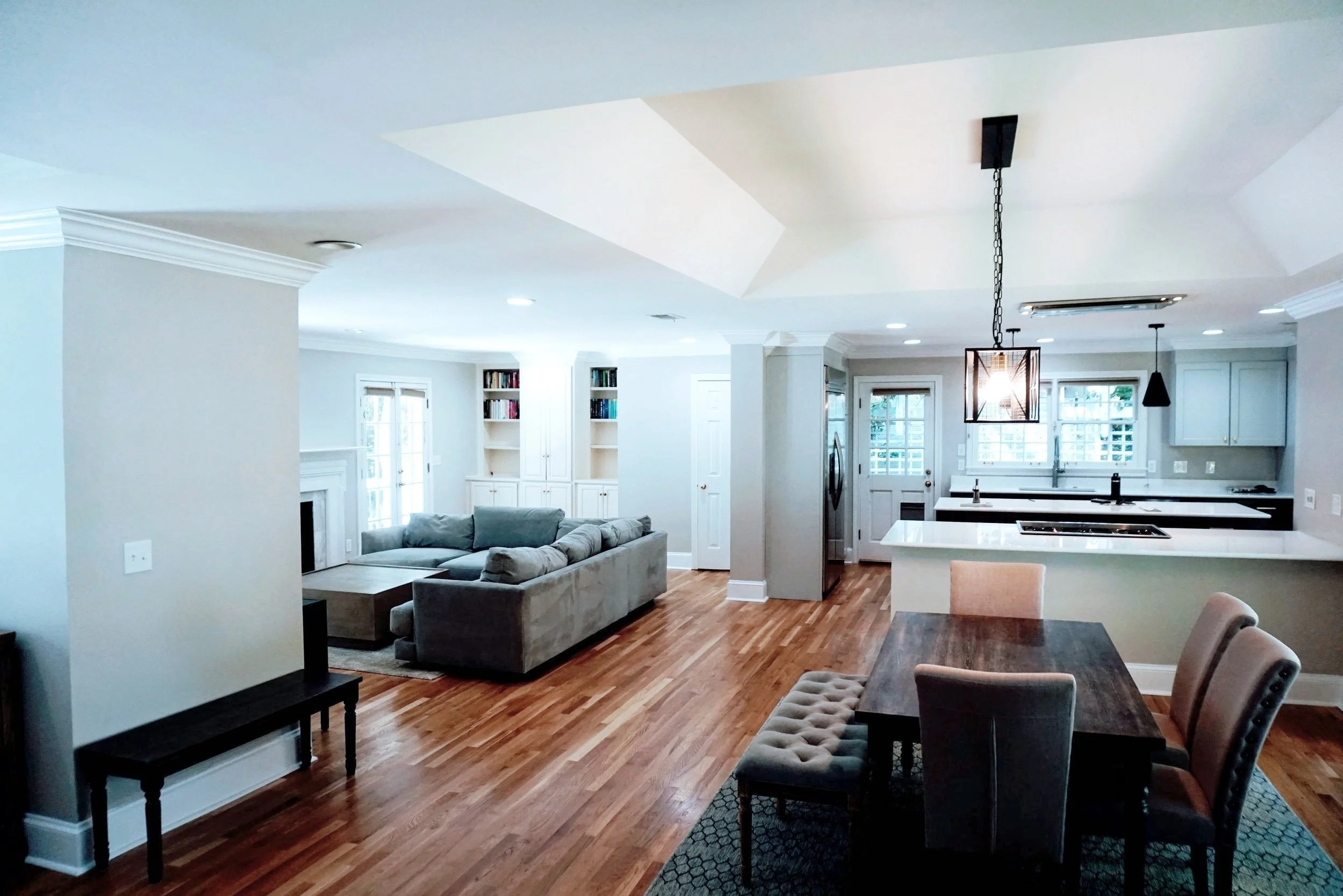
Creating an open floor plan is a key reason for removing load-bearing walls, as it enhances the home's appeal, functionality, and resale value. Removing a wall between two rooms, or creating a half wall or pass-through, can improve flow and create open-concept spaces that are highly desirable. A half wall can be used to separate spaces while maintaining an open feel, and professional consultation is recommended for proper installation to ensure structural integrity.
Removing a load-bearing wall, particularly when creating open-plan living spaces, can significantly increase a property’s market appeal and value. This type of renovation often leads to a more functional and aesthetically pleasing living environment, which is highly sought after in the real estate market. Consequently, although the initial investment might seem substantial, the potential return on investment (ROI) can be considerable. Homeowners benefit from an enhanced living experience and potentially see an increase in their property’s value, making it a smart long-term investment in their asset.
Ready to take the next step? Here’s how to get a custom estimate for your project.
Get a Closed Quote
Ready to transform your space? Reach out to Heide Contracting for a personalized quote. Our team is committed to providing a tailored approach, ensuring that your specific project needs are met with precision and care. Contact us today to start your journey towards a beautifully renovated home, with the assurance of expert guidance and quality service every step of the way.
Load-Bearing Wall Removal Resources
Cost Analysis for Load-Bearing Wall Removal (current page)