

Lintel Repair in Atlanta Brick Homes (Including Garage Lintels)
Key Takeaways
A lintel is the hidden structural support spanning openings like windows, doors, and garage doors—when you see cracks in the brick above these openings, it’s usually a symptom of lintel failure, not simply “bad mortar” or aging brick.
In Atlanta’s older brick homes, particularly wide garage openings built from the 1960s through the 1990s, corrosion of embedded steel lintels combined with decades of soil movement are the primary causes of failure. Cosmetic brick repairs alone will quickly fail again because they ignore the compromised load path.
Heide Contracting treats lintel problems as structural masonry issues: we restore the load path with new or reinforced steel, then rebuild the brickwork to match the original façade—addressing the cause, not just the symptom.
We specialize in minimally invasive lintel repair in occupied homes across Atlanta, preserving historic character while improving safety and long-term durability.
If you’re seeing warning signs above your openings, schedule a free, closed-scope consultation with Heide Contracting for a clear diagnosis and engineered lintel repair plan.
What a Lintel Is – And Why It Matters
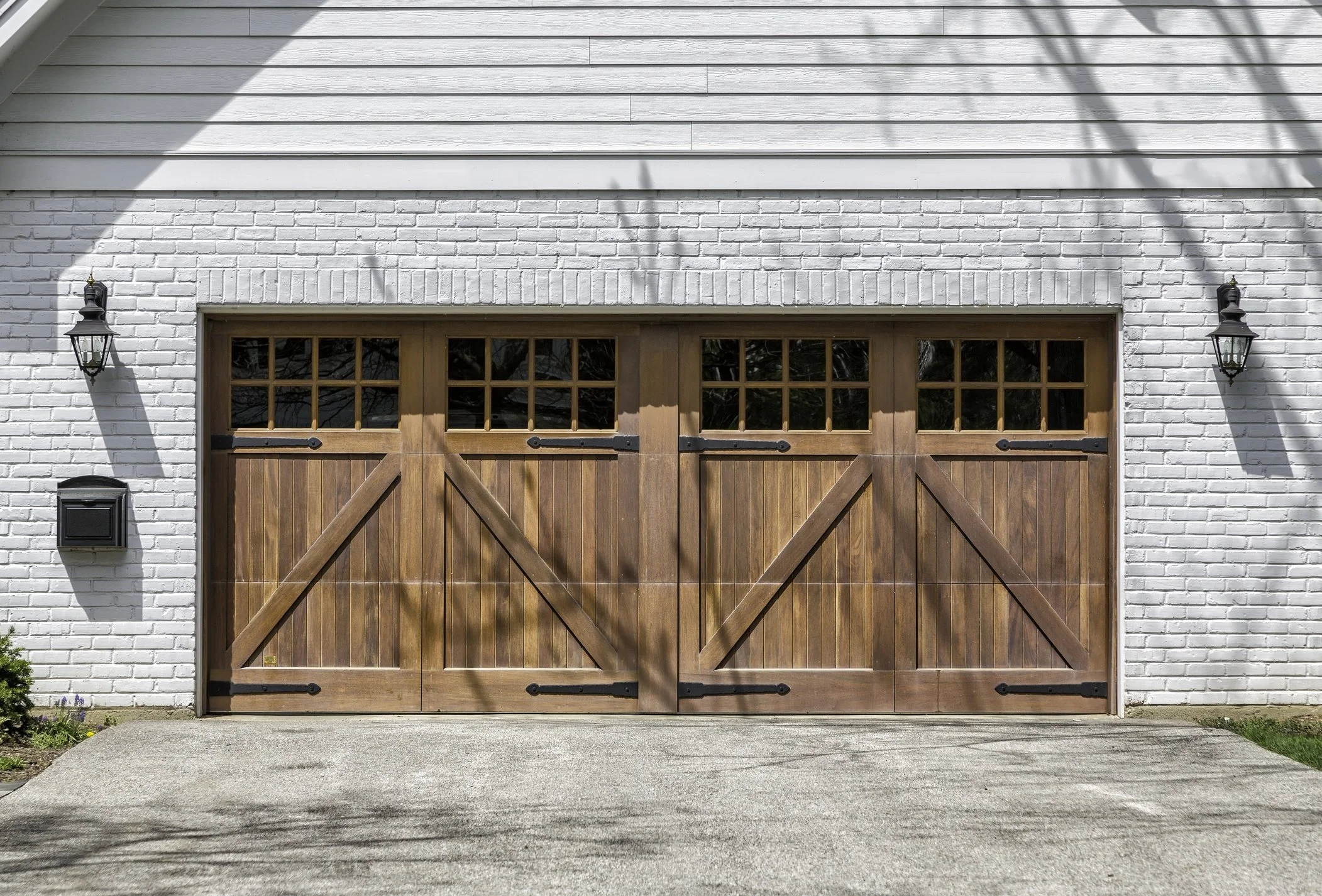
The image shows a close-up view of previously cracked brick masonry located above a residential garage door opening, indicating potential issues with structural integrity. This detail highlights the importance of masonry repair services to maintain the aesthetic appeal and safety of the home's exterior.
A lintel is the horizontal structural member that carries the weight of brick or stone over an opening like a window, door, or garage. It’s not just a decorative steel angle or a row of bricks laid on edge—it’s the hidden bridge that keeps everything above the opening from collapsing inward.
In Atlanta homes, you’ll encounter several common lintel types depending on when and how the house was built:
Painted steel angles above garages and windows in homes built from the 1970s through the 2000s
Concealed steel buried within brick veneer walls on mid-century and newer construction
Precast concrete lintels on some mid-century homes, often visible as a smooth band above openings
Brick arches on historic houses from the 1920s through the 1940s, where the arch itself acts as the structural element
Structurally, a lintel transfers the weight of several courses of masonry—and sometimes floor or roof loads—to the adjacent wall sections on either side. It forms a safe “bridge” over the opening, allowing you to have a door or window without the wall above it falling in.
Compared to wood and standard poured concrete, masonry construction lasts decades longer, provides superior fire resistance, and offers better thermal insulation, which helps reduce energy costs. Masonry is also environmentally friendly because it does not use wood, helping to save trees and promote sustainability.
When that bridge starts to fail, the symptoms show up in the brickwork above. Cracked bricks, stepped cracks radiating from the corners of openings, or sagging brick arches are usually signs that the structural bridge is compromised. This isn’t merely an aesthetic issue with mortar that can be scraped out and repointed.
A failed lintel can lead to doors and windows that stick or won’t close properly, bowing walls, and eventually falling masonry. That’s why correct structural repair matters even when the damage looks minor from the street. Ignoring these warning signs or covering them with cosmetic fixes puts off the real work while the problem worsens behind the brick.
Why Lintels Fail in Atlanta Homes (Especially Over Garages)
Atlanta’s climate, building practices, and aging housing stock combine to make lintel failure remarkably common. The humid subtropical weather, expansive clay soils, and construction shortcuts from decades of rapid suburban growth all take their toll on the hidden steel supporting your brick walls.
Here are the main culprits behind lintel failure in metro Atlanta:
Corrosion of Embedded Steel
Painted steel angles installed from the 1960s through the 1990s often lacked galvanization or other corrosion protection. As rainwater seeps through cracked mortar or failed flashing, it reaches the steel and initiates rust. The problem compounds because rust expands—up to seven times the original steel volume—jacking up bricks, cracking mortar joints, and rotating the lintel out of its supporting position.
Water Intrusion and Poor Flashing
Many Atlanta subdivisions built between 1975 and 2005 have missing, minimal, or failed flashing over garage doors and large windows. Without proper flashing and weep holes, water sits directly on the lintel angle and accelerates corrosion at exactly the point where the steel is doing the most structural work.
Decades of Structural Movement
Houses built on Atlanta’s characteristic red clay soils experience constant seasonal expansion and contraction. The clay can swell and shrink by 10-20% depending on moisture conditions, and over decades this movement—along with minor settling and occasional foundation shifts—adds cumulative stress to lintels over wide spans.
Aging Materials and Construction Shortcuts
During the fast-paced subdivision construction booms of the 1970s through 1990s, some lintels were undersized for their spans or installed with minimal bearing on the supporting masonry. Lime-based mortars common in that era (Type N or O) are softer than modern formulations and erode under freeze-thaw cycles. Atlanta averages 20-30 freeze events per year, and each cycle weakens the mortar holding the brickwork together.
Garage-Specific Issues
Garage lintels face amplified stresses that other openings don’t experience. Extra-wide openings of 16-18 feet carry heavy brick veneer loads—often a full one or two stories of brick above. Daily vibration from garage door operation and vehicle movement worsens already compromised lintels, and the proximity to grade makes splash-back and water intrusion more aggressive.
The cracking pattern above your garage door is often the first visible warning sign of lintel failure. But the underlying causes—corroded steel, compromised bearing, accumulated movement—cannot be fixed with caulk, mortar repair, or brick replacement alone. The structural support itself must be restored.
Surface Masonry Fixes vs. True Structural Lintel Repair
Heide Contracting rejects the common industry practice of treating lintel failure as a cosmetic masonry problem. When we see cracks above an opening, we don’t reach for a grinder and mortar bag—we investigate the load path.
What Cosmetic-Only Repairs Look Like
Typical “brick repair” approaches in Atlanta focus on the visible symptoms:
Grinding out and repointing cracked mortar joints
Replacing a few obviously damaged bricks
Caulking gaps above windows and garage doors
Painting over rust stains on exposed steel
None of these address the failing lintel behind the brickwork.
Why These Fixes Fail
When the load-carrying element is still compromised, repointing merely seals the symptoms without stopping the underlying problem. Rust continues to expand inside the wall cavity, the lintel continues to deflect, and new cracks typically reappear within months or a few seasons of Atlanta’s rain and heat cycles. Industry observations suggest a 50-70% recurrence rate within five years for repointing-only repairs over damaged lintels.
A Concrete Example
Consider a 1990s brick home in Smyrna where repointing above the garage had been done twice in five years by different contractors. Each time, the stepped cracks returned after a rainy season. The hidden, rusted lintel had never been addressed—nobody had shored the masonry, removed the failed steel, or installed proper replacement support. The homeowners had paid for two cosmetic repairs that solved nothing.
What True Lintel Repair Means
Structural lintel repair involves:
Relieving the masonry load with temporary shoring
Carefully removing brickwork to expose the failed lintel
Removing and replacing the corroded or inadequate steel
Installing new structural support with proper bearing and corrosion protection
Rebuilding the masonry above in a controlled, staged way
Allowing proper cure time before transferring load back
Heide Contracting’s approach starts with structural diagnosis—understanding the load path, span, bearing conditions, corrosion extent, and water entry points—then coordinates the visible masonry work so it looks seamless with the original façade.
The difference between cosmetic and structural is the difference between treating symptoms and solving problems.
How Heide Contracting Diagnoses Lintel Problems
When you schedule a site visit with our skilled team in Atlanta or the surrounding suburbs, here’s what to expect during the diagnostic process.
Exterior Inspection
We examine crack patterns above openings carefully, looking for the telltale stair-step fractures radiating from lintel ends that indicate steel corrosion. We check for:
Rust staining bleeding through paint or mortar
Brick displacement or rotation
Bowing or bulging walls above openings
Gaps between brickwork and window or door frames
Signs of previous repairs that may be hiding ongoing problems
Garages and large patio doors receive special attention because their wide spans make them most susceptible to failure.
Interior Check
We also look inside the garage or adjacent room for signs of structural movement:
Drywall cracks radiating from corners of door or window frames
Doors that rub, stick, or won’t close properly
Visible steel or framing movement at the header
Gaps between trim and drywall that have appeared over time
Structure and Load Path Review
Understanding what the lintel actually carries is essential. We identify whether the lintel supports just the brick veneer or also transfers floor or roof loads to the wall. We evaluate how the lintel bears into the adjoining masonry and framing on each side.
Moisture and Detailing Assessment
Water is the primary enemy of embedded steel lintels. We look for:
Missing or failed flashing above the opening
Blocked or missing weep holes that should drain the wall cavity
Poorly sloped brick sills that direct water back toward the lintel
Evidence of repeated water penetration through mortar joints
Historic and Aesthetic Considerations
For older homes in neighborhoods like Virginia-Highland, Grant Park, or Inman Park, we document the specific brick size, color range, mortar profile, and bond pattern. This information is critical for planning a repair that blends invisibly with the original construction.
Engineering Coordination
Larger spans—such as 16-18 foot garage doors or multi-story openings—may require structural engineering input. We work closely with engineers when needed to size new steel correctly and specify reinforcement details that meet current building codes.
Closed-Scope Quote
After diagnosis, homeowners receive a clear, itemized, closed-scope quote outlining exactly which lintels will be repaired, how loads will be supported during work, what type of new lintel will be installed, and how the masonry will be restored. No vague “brick repair” line items—just a straightforward project scope you can understand and budget for.
Masonry contractors often provide free estimates to help clients plan their projects with confidence.
Our Lintel Repair Process (Step-by-Step)
This section outlines a typical lintel repair on a brick garage or window opening in an occupied Atlanta home. Our focus throughout is on safety, structural integrity, and brickwork that matches your home’s exterior.
Temporary Shoring and Safety
Before disturbing any masonry, we set up adjustable shoring posts or masonry needles to safely support the brick veneer above the opening. If framing is attached to or dependent on the lintel, we support that as well. This temporary structure transfers loads around the work zone so we can remove the failed lintel without risking collapse.
Careful Masonry Removal
We selectively remove bricks above and around the failed lintel in manageable sections. Our experienced brick masons apply their expertise and craftsmanship to carefully handle and restore brickwork during lintel repairs, ensuring the integrity and appearance of your home are preserved. Where possible, we clean and set aside salvageable bricks for reuse—this is especially important for older homes where matching replacement brick can be challenging to source.
Old Lintel Removal and Inspection
With access established, we remove the rusted or undersized lintel and document the extent of corrosion, any rotation or bearing failure, and whether adjacent masonry or framing needs local repair. This inspection often reveals problems hidden behind the brick that explain recurring failures.
New Lintel Installation
We install properly sized steel lintels—primed and sealed for corrosion resistance—with adequate end bearing on each side of the opening. Where appropriate, we integrate flashing and drip edges to direct water away from the new steel. The goal is a durable installation designed to perform for decades in Atlanta’s demanding climate.
Rebuilding the Brickwork
With the new lintel in place, we reset the brick courses above it. We use matching or close-matching brick and carefully selected mortar—color, texture, and joint profile—to blend with the existing wall. Experienced masons on our team take pride in making the repair section indistinguishable from the original brickwork.
Curing and Load Transfer
We allow the mortar to cure properly before removing shoring. Rushing this step can compromise the repair, so we plan the work schedule to accommodate appropriate cure times—typically several days depending on weather conditions.
Clean-Up and Final Review
We clean the work area thoroughly, remove all debris, and walk you through the completed repair. We provide photos of the hidden lintel replacement so you can see exactly what’s behind the finished brick. This documentation is useful for your records and for any future work on the home. These photos can also be added to our portfolio of recent projects to demonstrate our expertise to future clients.
Garage Lintel Repair: Special Considerations
Garage lintels are among the most highly stressed and frequently failed lintels in metro Atlanta. The combination of wide spans, heavy masonry loads, and exposure to moisture makes them particularly vulnerable. Garage lintel repair is a specialized job that requires skilled assessment and precise execution to ensure long-lasting results.
Wide-Span Loads
Double-car garage openings of 16-18 feet were standard in subdivisions built from the 1980s through the 2000s across Cobb, DeKalb, and North Fulton counties. These openings often carry a full one or two stories of brick veneer above, making correct lintel sizing and adequate end bearing critical. An undersized lintel or one with insufficient bearing will eventually deflect and fail.
Common Symptoms
Signs of garage lintel failure include:
Stepped cracks starting at the top corners of the garage opening
A horizontal crack running through the first or second brick course above the door
Bricks that appear to be “smiling”—sagging visibly over the center of the span
Mortar joints that open and close seasonally
Rust stains running down the face of the brick
Vehicle and Vibration Effects
Daily garage door operation creates repeated vibration that worsens already compromised lintels. When steel is rusted and the angle has rotated away from properly supporting the brick, each door cycle accelerates the deterioration.
Weather Exposure
Unprotected or poorly flashed steel above garages takes direct punishment from wind-driven rain. Standing water on the back edge of the lintel angle—where it meets the brick—creates the perfect conditions for aggressive corrosion right at the bottom edge of the veneer.
Our Approach to Garage Lintels
We typically stage garage lintel repairs to minimize disruption to your daily routine. We keep the opening secure at the end of each working day and coordinate with garage door installers if track or header adjustments are needed after structural correction. The masonry project may take one to three working days depending on span width, brick matching requirements, and weather.
Neighborhood-Specific Experience
We frequently address garage lintel issues in Atlanta-area communities with substantial brick fronts—homes built in the 1980s through 2000s in suburbs like Marietta, Roswell, Alpharetta, Sandy Springs, and across Cobb, DeKalb, and Gwinnett counties.
When done correctly, a replaced garage lintel should outlast the surrounding masonry. The repaired area should blend seamlessly with the original façade, and the structural support should perform for 50 years or more with proper flashing and drainage.
Preserving Historic and Character Brickwork While Repairing Lintels
Heide Contracting is especially careful with older and historic Atlanta homes, where lintel repairs must respect original building materials and architectural detail. Historic homes often have unique masonry needs that require specialized attention during lintel repair.
Brick Matching and Sourcing
We measure and document brick size, color range, and surface texture typical of Atlanta bungalows and historic facades from the 1920s through the 1940s. When originals can’t all be reused, we source close matches from regional suppliers who stock historically compatible brick. The visual appeal of your home’s exterior depends on this attention to detail.
Mortar and Joint Profile
Mortar matters as much as brick. We pay attention to mortar color, sand aggregate type, and joint tooling style—whether concave, flush, grapevine, or another historic profile. Repaired sections over lintels should not telegraph as obvious patches when viewed from the street.
Arch and Decorative Lintels
Older homes often use brick arches or decorative soldier courses as both aesthetic and structural lintels. These require careful support during repair and, when possible, we rebuild them using original bricks over new concealed steel reinforcement. The result preserves the authentic appearance while providing modern structural support.
Minimally Invasive Methods
We plan access carefully to disturb only as much masonry as necessary to restore the lintel and load path. Preserving as much original fabric as possible is always the goal—both for historical authenticity and for cost effectiveness.
Coordinating with Broader Renovations
Because Heide Contracting also handles structural foundation repair, load-bearing wall removal, basement lowering, and crawl space conversions, we can integrate lintel repair into larger renovation plans. Lintel repair can also be coordinated with new construction projects to ensure structural integrity from the outset. Your home’s exterior character stays protected even as interior spaces are transformed.
The goal is both safety and authenticity: after repair, the opening is structurally sound while the façade still reads as original to the house and neighborhood.
Beyond Lintels: Related Structural Masonry and Renovation Services
Lintel repair connects to the broader structural and renovation services Heide Contracting provides throughout Atlanta. As a trusted name in masonry Atlanta, we offer a wide range of masonry services, including brick and stone veneer installation, outdoor living spaces, and concrete work such as patios and retaining walls. Our masonry services can also include the installation of custom brick mailboxes that enhance the aesthetic appeal and value of your property.
Masonry contractors like Heide Contracting handle both residential and commercial building projects, ensuring quality craftsmanship and customer satisfaction for homeowners and owners of commercial properties alike. Masonry drastically improves curb appeal and property value, and requires less maintenance compared to other materials such as wood. We use high-quality materials and techniques to ensure the durability and longevity of our work, including the use of cement as a core building material in large-scale construction projects like sidewalks, driveways, and foundational elements. Masonry services can also include the construction of retaining walls to prevent soil erosion and enhance landscaping.
We understand the whole structure, not just isolated cracks.
Crawl Space Conversions and Basement Lowering
When we convert crawl spaces or excavate and lower basements to create new living space, we reassess existing lintels and wall openings as part of a holistic structural plan. Changes to foundation elevations or floor systems can affect how loads reach the walls and the lintels within them.
Load-Bearing Wall Removal and New Openings
Creating larger interior openings or adding wide patio doors to outdoor living spaces requires designing new structural lintels or beams to properly support masonry and framing above. This is masonry construction coordinated with structural engineering—the same integrated approach we bring to lintel repair.
Structural Foundation Repair
Foundation movement contributes to lintel stress. By correcting settlement issues, improving drainage around retaining walls and stone walls, and stabilizing the foundation, we reduce the risk of recurring cracking above openings. Sometimes lintel repair and foundation work need to happen together for a lasting solution.
Deck and Porch Repair
Many masonry porches, stoops, and outdoor living spaces tie directly into brick facades. When repairing these elements—including patio surfaces, fireplaces, and chimneys—we evaluate adjacent lintels and brickwork for hidden structural concerns. Chimney repair and rebuilding are also important masonry services to address structural damage and maintain the integrity of masonry structures.
Full-Service Home Renovation
For homeowners choosing to stay and transform their existing Atlanta home instead of moving, lintel repair can be integrated into comprehensive renovation that respects the exterior while modernizing interior spaces. As a full service masonry contractor with structural expertise, we coordinate these elements so that repairs support the long-term function and beauty of the entire home.
When to Call a Structural Masonry Expert (Not Just a Brick Patcher)
If you’re seeing warning signs above your openings, seek structural expertise early—before minor issues become major rebuilds that threaten property value and safety. At Heide Contracting, we work closely with our clients throughout the lintel repair process to ensure their needs and concerns are addressed every step of the way.
Signs That Demand Attention
Act promptly if you notice:
Spreading cracks above windows or garage doors
Bricks separating from window or door frames
Visible rust bleeding through paint over a lintel
A sagging brick arch or garage header
Doors or windows that have become difficult to operate
Mortar joints that open and close with seasonal temperature changes
Red Flags in Contractor Proposals
If a contractor proposes only mortar grinding, caulking, or a few brick replacements without mentioning shoring, steel replacement, or load path restoration, the underlying lintel issue is probably being ignored. Cosmetic work on a structural problem is money wasted.
What to Look For
Seek a company experienced in both structural correction and quality masonry work, with familiarity with Atlanta’s building patterns, brick types, and construction methods from different eras. Generic “masonry repair” without structural understanding leads to repeated failures.
Position of Expertise
Heide Contracting serves as that specialized resource in Atlanta and the GA area: structural focus, coordination with engineers when needed, and exceptional quality brickwork to restore the façade. We specialize in the intersection of structure and appearance that lintel repair demands.
When getting opinions from multiple contractors, insist on a scope of work that clearly addresses the lintel itself—not just the visible cracks. Understanding what you’re paying for is the first step toward a durable repair.
Why Atlanta Homeowners Choose Heide Contracting for Lintel Repair
Our reputation in the masonry industry across Atlanta GA rests on an unwavering commitment to solving structural problems correctly the first time.
Structural-First Mindset
We begin every project by understanding how loads move through your wall and house. Every lintel repair we design restores that load path for decades—not just until the next rainy season. This is structural masonry done right.
Atlanta Brick Expertise
Our experience with local brick sizes, colors, mortar types, and historical styles allows us to blend repairs into façades ranging from mid-century ranch homes in the suburbs to intown historic districts. We understand the building materials and construction methods that were common here in Georgia across different decades.
Coordinated Masonry and Steel Work
Our crews and dedicated trade partners understand both the hidden structural steel and the visible brickwork. This coordination avoids the disconnect that often happens when structure and masonry are treated as separate trades—resulting in quality work that holds up over time.
Minimally Disruptive Process
We work in occupied homes every day. We protect driveways and landscaping, coordinate access around your daily routines, and keep garages and entry doors secure during work. Our project timelines are realistic and our communication is clear.
Transparent, Itemized Quotes
Homeowners receive closed-scope proposals that spell out exactly what will be shored, replaced, and rebuilt. No vague language, no open-ended extras. You know what you’re paying for before work begins.
Long-Term Perspective
Our goal is to solve the problem once, in a way that supports future renovations, additions, or structural upgrades. If you decide to expand or reconfigure your home later, the lintel work we do today will accommodate that growth.
Schedule a Free, Closed-Scope Lintel Evaluation
If you’re seeing cracks or sagging above your windows, doors, or garage openings, take the next step before another round of cosmetic patching fails again.
Heide Contracting offers no obligation estimates through on-site consultations in Atlanta and surrounding suburbs. Our focus is diagnosing whether a lintel or broader structural issue is causing your problems—not selling you unnecessary work.
We are committed to understanding our clients' goals and providing tailored solutions for every masonry project.
During the visit, we’ll:
Review visible conditions and crack patterns
Discuss your goals, from simple repair to larger renovation
Outline structural and masonry options that fit your home and budget
Explain whether engineering input is recommended for your situation
Our written free quote clearly defines the scope—what type of lintel is proposed, how loads will be supported during work, and how the brickwork will be restored. You’ll understand exactly what you’re getting.
Contact Heide Contracting by phone or through the contact form at heidecontracting.com to schedule your lintel assessment. There’s no obligation—only clear information and expert guidance from masons who understand both structure and curb appeal.
Stop the cycle of failed cosmetic repairs. Invest in lasting structural correction that protects your home, your safety, and your property for decades to come.
Frequently Asked Questions About Lintel Repair
How long does a typical garage lintel repair take on an occupied Atlanta home?
Most single-span garage lintel replacements—including brick removal and rebuild—are completed in one to three working days. The exact timeline depends on span width, brick matching complexity, mortar cure requirements, and weather conditions. We keep the garage secure at the end of each day so you can use it outside of working hours.
Will I need a structural engineer for my lintel repair?
Smaller openings with standard loads can often be handled under prescriptive guidelines based on established masonry practice. However, larger garage spans (16+ feet), multi-story openings, or homes with known foundation movement may warrant an engineer’s beam sizing and detail specifications. Heide Contracting can coordinate engineering services when appropriate and incorporate those requirements into your quote.
Can I still use my garage or front door during the repair?
Access may be restricted for safety during certain phases—particularly when masonry is removed and shoring is in place. We plan the work so that downtime is minimized and entry points are secured outside working hours. For critical access needs, we’ll discuss the schedule during your consultation.
Is lintel repair covered by homeowners insurance?
Coverage varies by policy and cause. Many insurers treat gradual deterioration like rust as a maintenance item rather than a covered loss. Sudden damage from impact or a specific weather event may be handled differently. We recommend checking with your insurer directly. Heide Contracting can provide documentation of findings and repair scope to support any claim.
Can you match my existing brick and mortar so the repair doesn’t stand out?
While an absolutely invisible repair isn’t always possible with older or discontinued bricks, we take great care with brick selection, reuse of existing units when possible, and precise mortar color and joint tooling. The goal is a repaired area that blends closely with the surrounding wall and doesn’t draw attention—preserving both the aesthetic appeal and the residential character of your home.